7 Architectural must sees in Singapore
While Singapore is famous for having some of the best food and shopping, it’s also known for its captivating modern architectural wonders. This incredible city-state is filled with heritage buildings and award-winning architectural delights. Through the architecture, you’ll be exposed to a range of influences and styles that reflect Singapore’s cultural identity, and diverse history.
Here, we’ll take a look at 7 architectural must-sees in Singapore that are bound to take your breath away. From the more traditional to the modern, these architectural spectacles will testify as to why Singapore has made a mark for itself as an architectural powerhouse amongst countries all over the world.
Gardens By The Bay
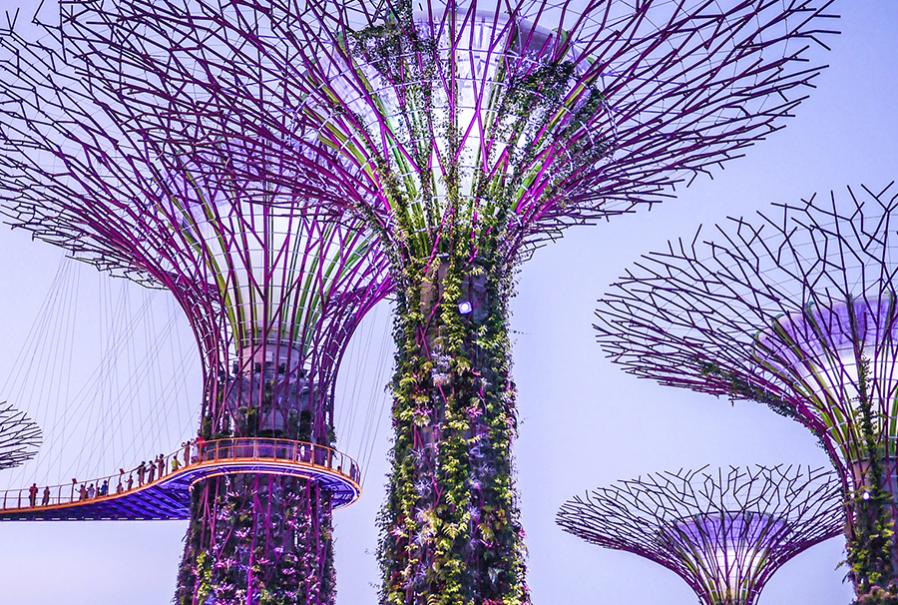 Photo credits: Pixabay
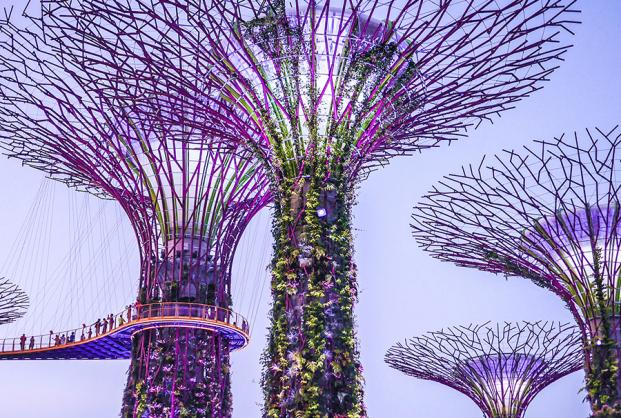
Gardens by the Bay is an astounding nature park that’s built on reclaimed land and spans a total of 101 hectares. Since Singapore is known as the ‘Garden City,’ the goal of constructing Gardens by the Bay, was to transform Singapore into a ‘City in a Garden’ by enhancing flora and fauna within the city.
This incredible structure was constructed by British architects Wilkinson Eyre and landscape architects Grant Associates and is filled with towering man-made trees called ‘supertrees,’ as well as shell-shaped greenhouses, and even a man-made waterfall. There’s a total of 18 ‘supertrees’ that are up to 50 meters in height, and have thousands of different plant species growing up the bottom half of the structure. Each ‘supertree’ also has rainwater collection tanks to pump themselves, and both shell-shaped greenhouses. One of the greenhouses is known as the ‘flower dome’ and contains a collection of flowers from the Mediterranean region. The other is known as the ‘cloud forest dome,’ and has a variety of rare tropical plants along with an artificial waterfall.
Head to Gardens by the Bay, and you’re sure to be impressed by its stunning architecture.
Old Hill Street Police Station
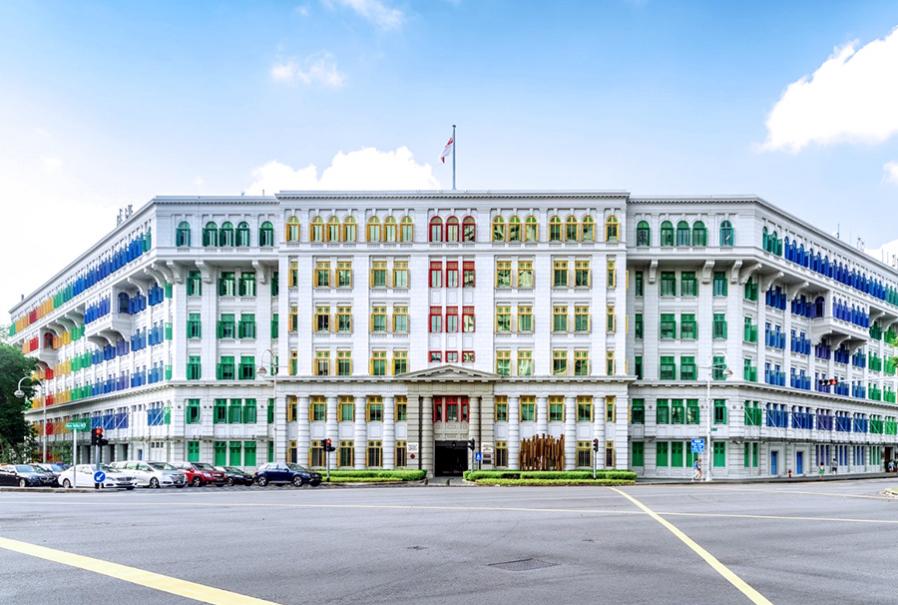 Photo credits: Big Stock Photo
You won’t be able to miss the Old Hill Street Police Station due to its elegant Neoclassical style architecture that’s adorned with over 900 windows that have been painted in striking rainbow hues. It was opened in 1934 and designed by Frank D. Ward of the Public Works Department and has tall Doric pilasters that span two stories. While the building may look vibrant from the outside, it has a more sombre history.
The Old Hill Street Police Station was previously named the ‘Police Skyscraper’ and as the name suggests, used to serve as a police station while also housing accommodation for the officers and their families. During the Japanese Occupation, it was also used as both a holding area for prisoners and potentially as torture chambers.
In 1999, the building underwent an extensive renovation and eventually became the home for the then Ministry of Information and the Arts (MITA), now known as the Ministry of Information Communications, and the Arts (MICA) in 2004.
Chijmes
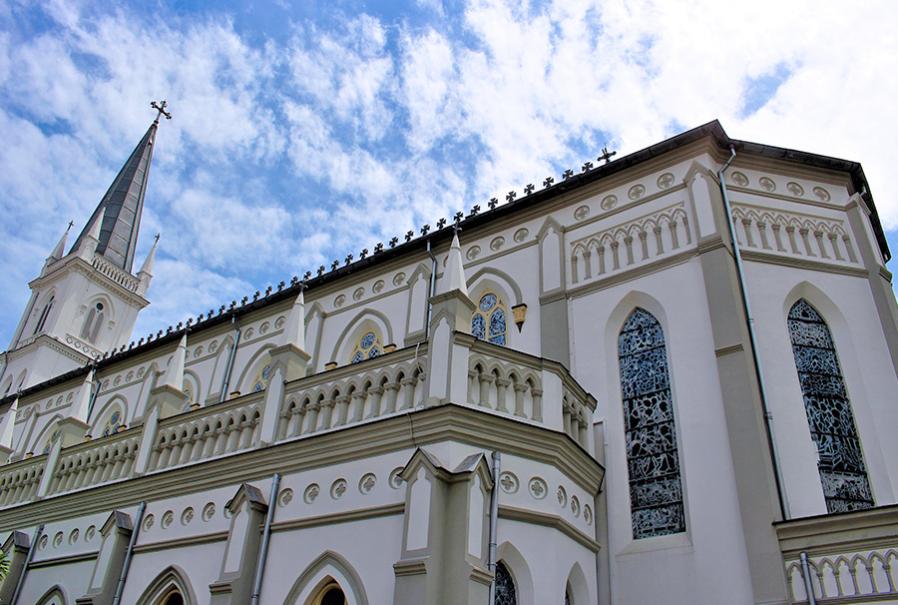 Photo credits: Pixabay
There’s something about Chijmes that’ll catch your attention as you walk past. Perhaps it’s how the building stands out among the downtown core of the central business district. Unlike the towering skyscrapers surrounding it, Chijmes is a historical monument that embodies the spirit of colonial history.
As you wander into Chijmes, you’ll encounter its iconic chapel that’s constructed in a neo-classical gothic style. The building has been delicately restored, and now has terrazzo tiled floors, twining stores, stained glass panels, and tasteful columns. Even with the restoration, the chapel still reflects the influence of European colonialists in Singapore’s early art and architecture scene. After an extensive upgrade in the 1990s, Chijmes also has retail and dining facilities for individuals to explore around the chapel.
Pop by Chijmes when you’ve got the chance to learn more about the history behind this elegant piece of architecture.
The Helix Bridge
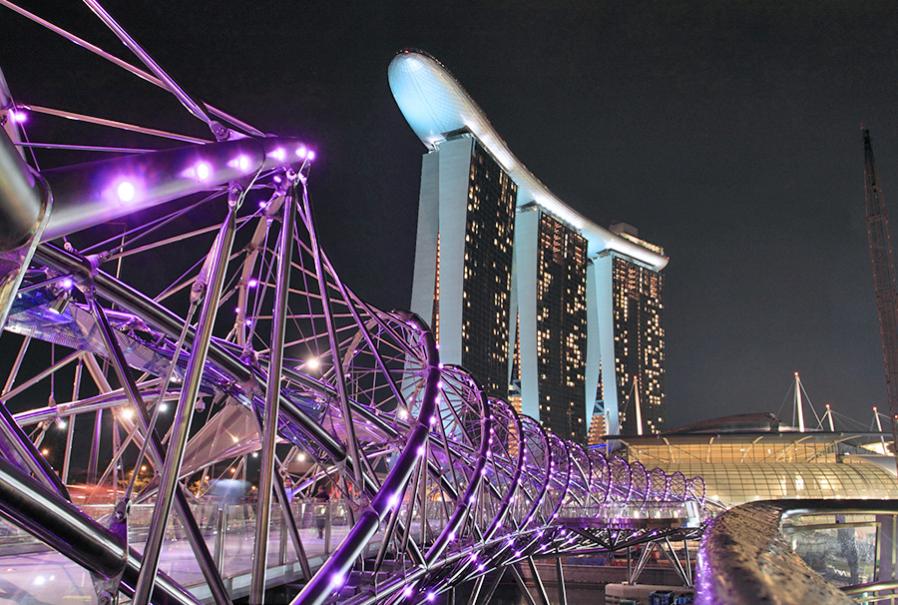 Photo credits: Unsplash
This double helix structure is a 280-meter stainless-steel structure with a curving deck across the Singapore River between the Central Business District and Singapore’s relatively new Bayfront District. The Helix Bridge was inspired by the double-helix structure of a DNA strand and was designed by Cox Architecture.
There are four viewing platforms along the Helix Bridge that were intentionally created to offer picturesque views of the bay. If you’re visiting the Helix Bridge during the day time, you can take cover at one of the canopies that’s made from fritted glass and perforated steel mesh for shade from the blazing sun. At night, there are ribbons of LED lighting that illuminate the structure – this also emphasizes the interplay of the two helix tubes and is a wondrous sight.
It’s no wonder that the Helix Bridge has become a drawcard for both tourists and local residents alike.
Heritage Shophouses
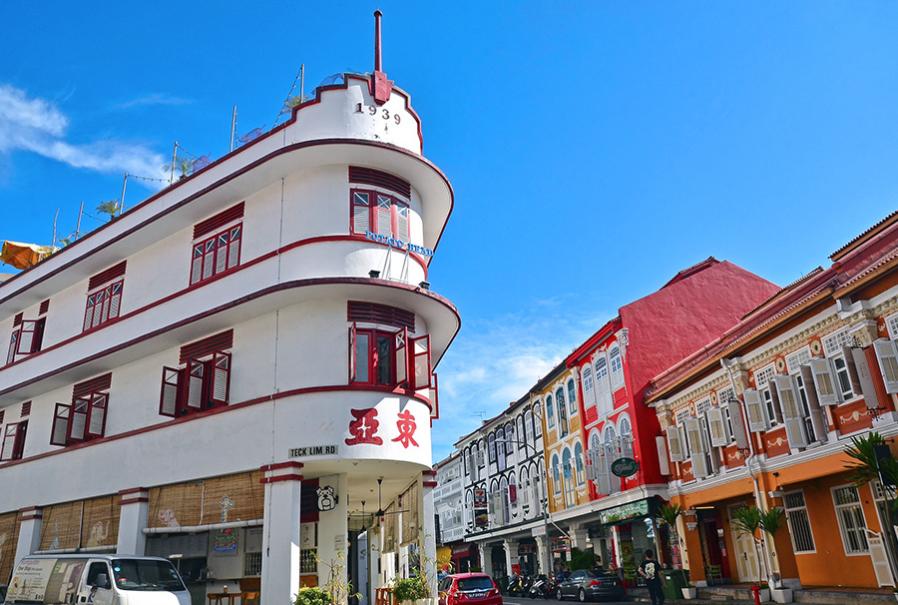 Photo credits: Pixabay
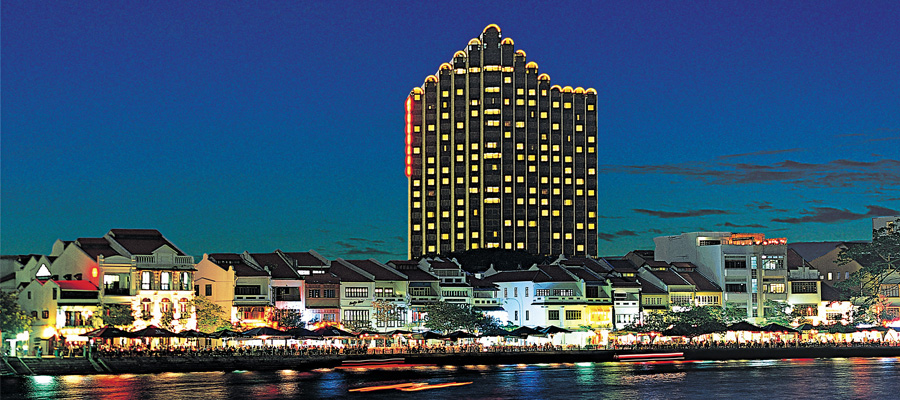
If you’re in Singapore, you can’t miss out on the heritage shophouses that pepper the island. There are many different styles of heritage shophouses depending on the year it was built, and these architectural styles are defined by certain architectural trends pertaining to that year. Some of the sub-categories include Neo-Classical, Malay, Shanghai Style and more.
Traditionally, these shophouses have a very narrow front with a sheltered corridor for pedestrians, they also have stairwells, internal courtyards, and skylights to bring some light into the dark and small interiors. The first shophouses were constructed during the mid-1940s and laid the foundation for future styles that included Chinese, Malay, and European elements.
Spot some of these Heritage Shophouses in neighbourhoods such as Katong, Tanjong Pagar, Emerald Hill, and Chinatown. These shophouses are mostly well preserved, but many have also been converted into functional spaces like hotels, cafes, offices, and coffee shops.
Esplanade
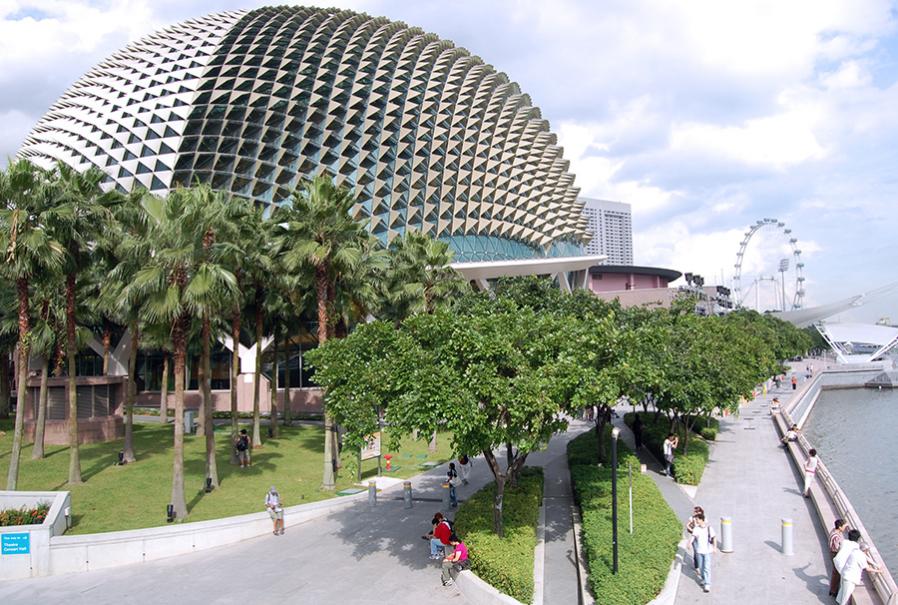 Photo credits: Pixabay
Designed by DP Architects and Michael Wilford & Partners, the Esplanade is especially iconic due to its eye-catching spiky twin domes and has also been affectionately called ‘the Durian’ by locals.
While the exterior is undoubtedly uniquely designed, the interior of the Esplanade is incredibly impressive. The interior and performance spaces were developed in consultation with experts to ensure that it would accommodate the demands of performances – particularly in traditional Asian arts. The stunning concert hall also has a cutting-edge approach to acoustics and is one of the best in the world.
Besides marvelling at the Esplanade's architecture, remember to head inside and perhaps catch a performance at this world-class venue.
Henderson Waves Bridge
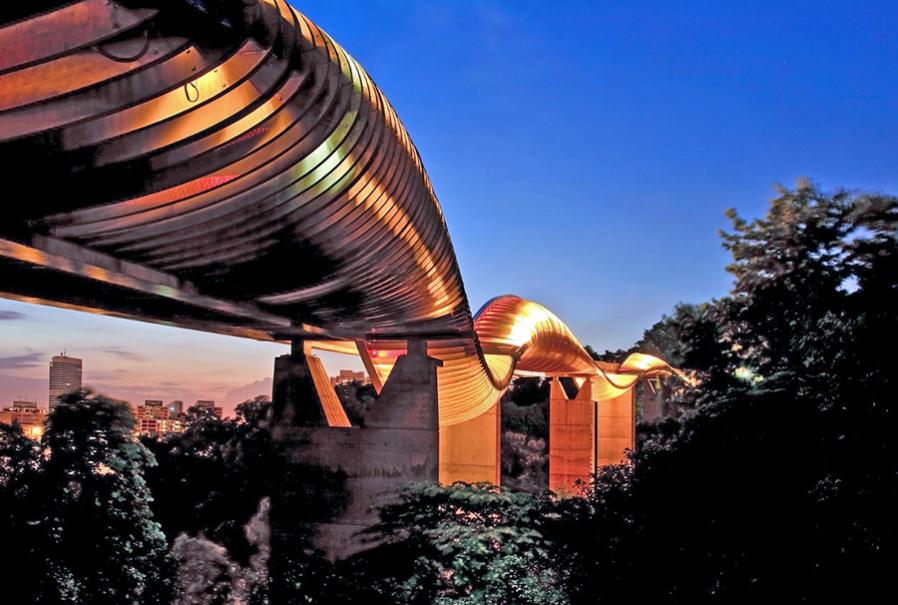 Photo credits: Big Stock Photo
The Henderson Waves Bridge is the highest pedestrian bridge in Singapore that starts off from the scenic location off Mount Faber and spans a total of 284 meters to Telok Blangah. As the name suggests, there’s a total of seven waves that traverse across the bridge.
It was designed by RSP Architects Planners & Engineers (Pte) Ltd and IJP Corporation Ltd, UK. The bridge is meticulously integrated into the natural landscape that connects both hills, and the design was inspired by the natural landforms created from the Southern Ridges’. There are many access ramps, benches, and shelters for scenic viewing and leisurely walking for the public. Don’t forget to pay a visit to the Henderson Bridge at night for a lovely viewing of the bridge as it’s lit up like a lantern.
For a relaxing day, head to the Henderson Bridge and relax on the timber seats and curve backings, stroll on the deck, or enjoy the bridge’s evening ambient lighting as you traverse between the two natural parks.
We’re just scratching the surface on the architectural delights that you can enjoy in Singapore. After you’ve enjoyed and admired all 7-architectural must-sees in Singapore, there are still many more hidden architectural gems to discover.