Chinese New Year in Singapore
With its large Chinese community Singapore is a fantastic place to experience the colourful Lunar New Year festivities in an authentic family-friendly atmosphere. What’s more, the city certainly knows how to celebrate, putting on a whole host of events to mark the coming of the New Year, from fireworks displays to lion dances. All in all, it’s an experience not to be missed, so here we’ll tell you all you need to know about making the most of Chinese New Year in Singapore.
Street Light-Up
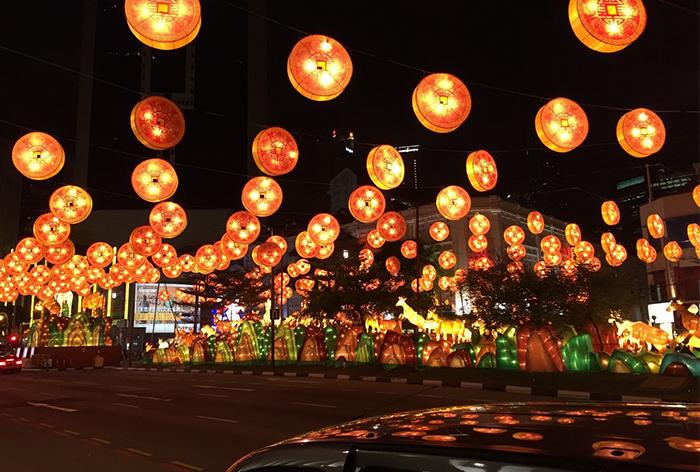
The New Year is perhaps the most important date in the Chinese calendar, with the build-up starting weeks before. Also known as the Lunar New Year and Spring Festival, this year’s main event – ushering in the Year of the Dog – occurs on 15th February. However, head down to Chinatown at any time from the end of January and you’ll get to experience the Street Light-Up, when wonderfully-designed hand-sculpted lanterns in the shape of dogs, flowers and greetings decorate the streets.
Every year the Singapore University of Technology and Design get involved in the design and construction of the event, guaranteeing a fantastic result. The lighting up ceremony itself takes place on 27th January, with performances from leading dance troupes, the eruption of firecrackers and a fireworks display. If you can’t make it on the night, don’t worry, the lanterns will remain lit up around Eu Tong Sen Street and New Bridge Road each evening until mid-March.
Festive street bazaar
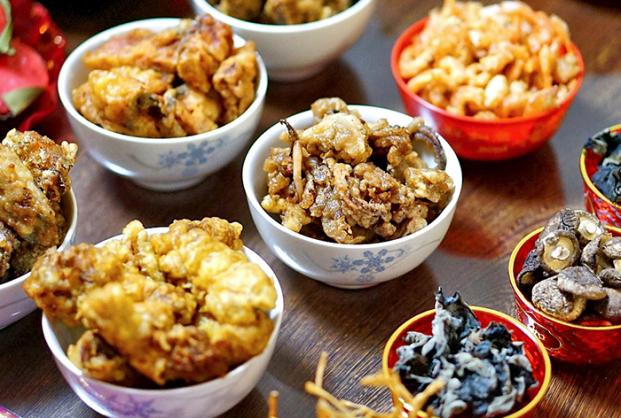
Food has long played an important part in the New Year celebrations. Friends exchange mandarin oranges with each other for good luck, and feast on dishes specially reserved for these festivities. You can try these delicacies for yourself from 25th January, as more than 400 specialist stalls line Chinatown’s Pagoda Street, Smith Street, Temple Street and Trengganu Street each evening from 6 pm to 10.30 pm (New Year itself will see stalls remain open until 1 am).
Food-wise there will be everything from ong lai pineapple tarts (a very tasty symbol of good luck), spicy shrimp rolls, kueh bangkit coconut cookies, bak kwa barbequed meat and lapis prune layer cake. Other stalls will be offering flowers, traditional Chinese handicrafts and New Year decorations. Keep an extra eye out for the crimson hong bao envelopes used by elderly Chinese to give younger unmarried relatives money, and for kumquat plants – the golden fruit symbolising prosperity.
You’ll also be able to slip down the narrow alley-way like streets of Chinatown and take in the vibrant decorations of the most important time of year. Nearby, at Kreta Ayer Square, next to the Buddha Tooth Relic Temple, an act unfolds every evening, generally starting about 8 pm and finishing around 10.30 pm.
Lion Dance competition
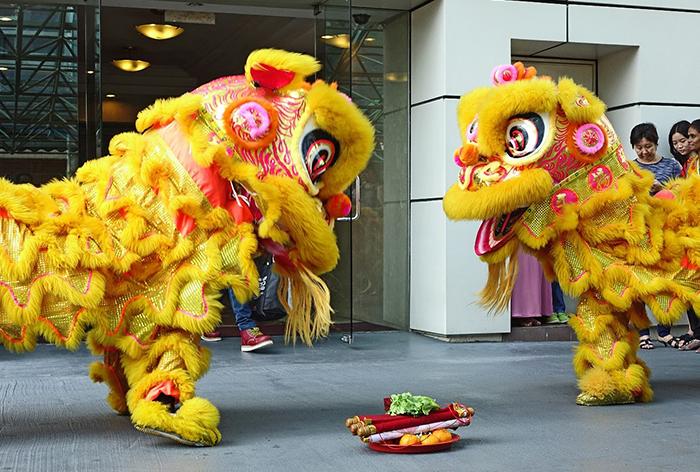
The weekend of the 2-3rd February sees the return of the International Lion Dance Competition for its eleventh incarnation. Steeped in ancient tradition and culture, the loud rhythmic beating of drums and stunning stunts by troupes from across the Asia-Pacific region will leave you breathless. If you’ve never seen lion dancing in the flesh, now’s your chance to see the best of the best.
New Year Countdown
As the New Year finally approaches, why not join the crowds in counting down the last minutes of the old year on the evening of 15th February? The heart of Chinatown will be awash with red, and filled to bursting with artists performing a mix of traditional festive songs and leading interactive games. You’ll be able to see some local celebrities too.
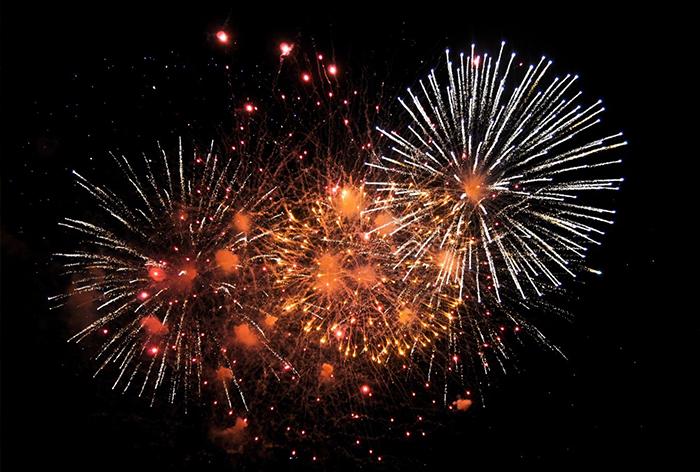
The countdown begins around 9.30 pm and culminates as the clocks strike midnight with an explosion of firecrackers and stunning fireworks display. This is because folklore tells of a strange beast, named ‘Nian’, attacking villagers each spring. The only way they could fend off its attacks was with loud noises and the colour red, a colour now intrinsically linked with the celebrations and with good luck and prosperity.
Hong Bao festival
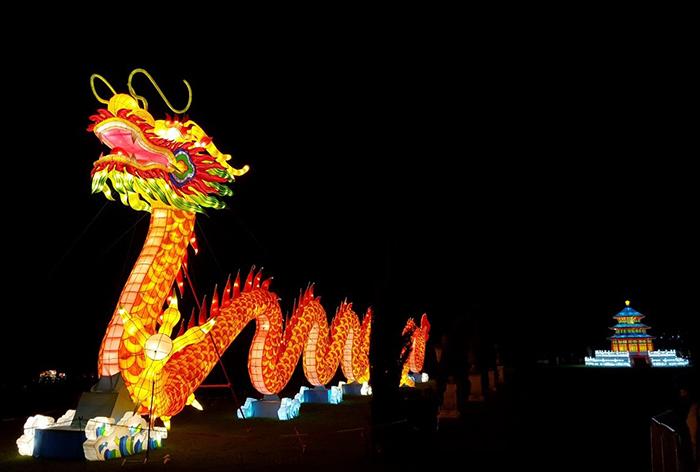
Singapore’s free Hong Bao river festival has been part of the city’s New Year celebrations for 30 years. Taking its name from the traditional red packets of money given by older Chinese to unmarried younger relatives at this time of year it is now an iconic event, allowing you to immerse yourself in Chinese culture. The main attraction are the stunning lantern installations created by hand by craftsmen direct from China and include representations of the God of Fortune as well as the twelve signs of the Chinese zodiac.
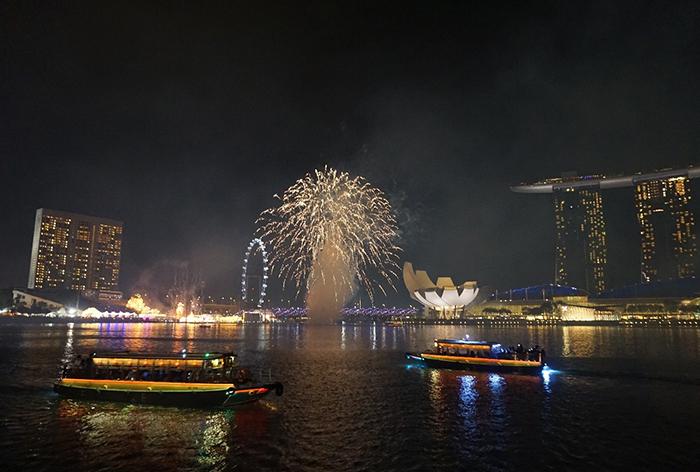
You can also get the adrenaline pumping on one of the amusement rides, sample some great new tastes at the outdoor food street or listen to Chinese opera and other nightly street performances. Fireworks displays also occur nightly, so if you’re enjoying one of the city’s other events on the big New Year’s night itself, head down to the festival’s location on the Marina Bay floating platform (NS Square) and Esplanade Waterfront Promenade for a great pyrotechnic display set against the world famous Marina Bay skyline. It truly makes for a feast for all your senses.
Chingay parade
New Year’s Eve is not the end of the celebrations in Singapore. The following weekend the city hosts the vibrant Chingay parade. Meaning ‘costume and masquerade’ in Chinese Hokkien dialect, it is a celebration of Singapore’s multicultural (Chinese, Malay, Indian and Eurasian) heritage, despite its origins in Chinese parades.
In China processions were made in the two weeks leading up to the New Year to prepare for the coming spring. Singapore’s version boasts fantastically-decorated floats, acrobats, dancing dragons, jugglers and stilt-walkers, making it Singapore’s answer to carnival and a popular event with locals and visitors alike. There’ll be 11,000 performers, in the past coming from as far afield as Denmark, Indonesia and Sri Lanka. Amazing costumes abound, and a great atmosphere where music, dance and pyrotechnic displays combine. Not only that, but it’s also the largest street and float parade anywhere in Asia, and the climax of Singapore’s Lunar New Year celebrations.