Experience Singapore's Cultural Festivals
Thanks to its history as a hub of multiculturalism, Singapore celebrates festivals as varied as Christmas, Chinese New Year, and Deepavali. Here we highlight the main annual cultural festivities which showcase the city’s history, culture and modern national identity at its very best. With many being official public holidays, they are a chance to experience the city when hardworking Singaporeans relax with their families, whatever their heritage.
Hari Raya Puasa
Hari Raya Puasa (more commonly known as Eid al-Fitr) marks the end of the Muslim fasting month of Ramadan. It falls on the first day of Syawal, the 10th month of the Hijrah (Islamic) calendar. A quieter celebration than many of Singapore’s other festivities, the bazaars held at Geylang Serai are filled with row upon row of stalls selling traditional Hari Raya sweets, costume jewellery and bright outfits.
The similarly named Hari Raya Haji in August marks the end of the pilgrimage month (or Haj) all Muslims are expected to undertake once in their lifetime. Also called the Day of Sacrifice, it is a commemoration of the Prophet Ibrahim’s (Abraham in Christian and Jewish tradition) devotion to God.
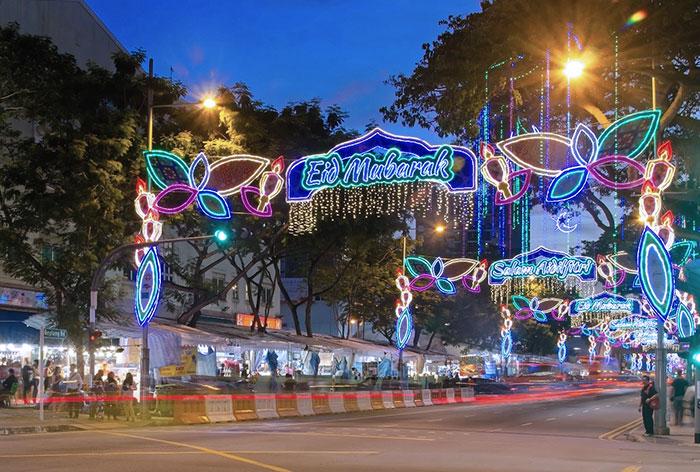
Photo: Pixabay
Thaipusam
Though not a public holiday, Thaipusam rightly brings Little India’s traffic to a standstill. Taking place at the end of January it sees Singapore’s Hindu population seek blessings, fulfil vows and offer thanks and is a celebration of Lord Subramaniam (also called Lord Murugan), the destroyer of evil.
It begins with a procession of chariots departing Sri Thendayuthapani Temple on Tank Road and ending at Layan Sithi Vinayagar Temple on Keong Siak Road. Early the following morning, followers begin their own procession. Some pierce their tongues or cheeks with skewers as a sign of devotion, while others bear the weight of a spiked steel or wooden frame decorated with flowers known as a kavadi. Carried on the shoulders, the most extravagant can top 40 kilograms.
Also in January are the Pongal celebrations. Originating with Tamil communities in southern India, it is a celebration of the harvest. The festival itself lasts for four days, but Little India boasts a month of events beginning with the Light-Up Ceremony and including traditional dance performances and cooking demonstrations among a host of other community-based events.
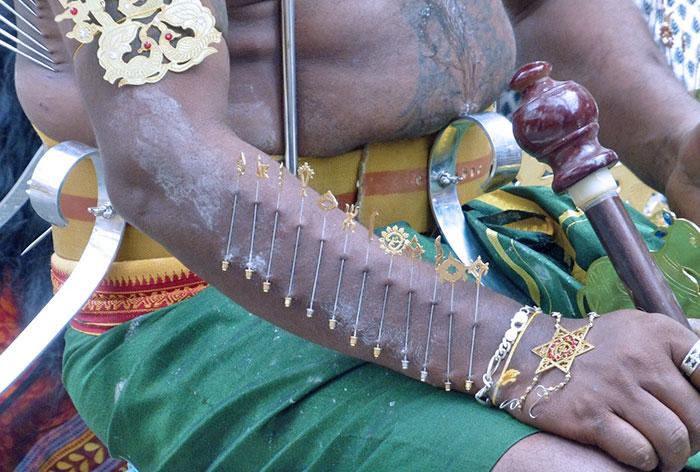
Photo: Pixabay
National Day
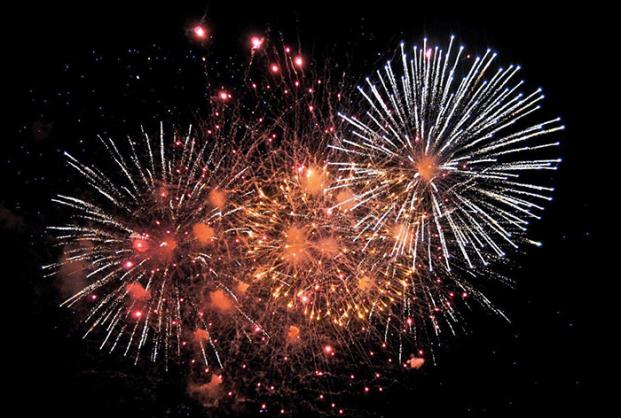
Uniting the city’s melting pot of cultures, the August 9th holiday commemorates Singapore’s independence from Malaysia in 1965. It features a popular military-led parade of more than 2,500 participants from over 30 groups both military and civilian, and a lit naval procession, around Marina Bay. While only residents are able to apply for seats, anyone can enjoy the parade and its electric atmosphere from street-level. The day culminates in a spectacular fireworks display over the bay amid an atmosphere which fizzes with national pride.
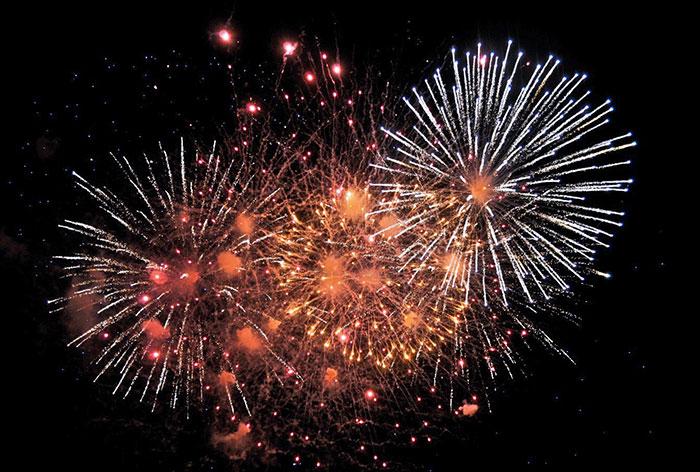
Photo: Pixabay
Deepavali
Deepavali in early November, is perhaps better known to some as Diwali or the Festival of Light, and celebrates the triumph of light over darkness. As a result, light plays an important part in the Hindu-origin festival, and the streets of Little India in particular are filled with thousands of burning oil lamps.
Families throng onto the streets in their finest clothing to explore the colourful stalls of the Deepavali Festival Village, snack on festive favourites such as athirasam doughnuts, enjoy musical performances beneath a curtain of stars, then follow the Silver Chariot Procession, which sees devotees haul a chariot containing the statue of the goddess Sri Drowpathai Amman from the Sri Mariamman Temple in Chinatown—it’s the oldest of its kind in Singapore—to Little India, bringing together these two cultures.
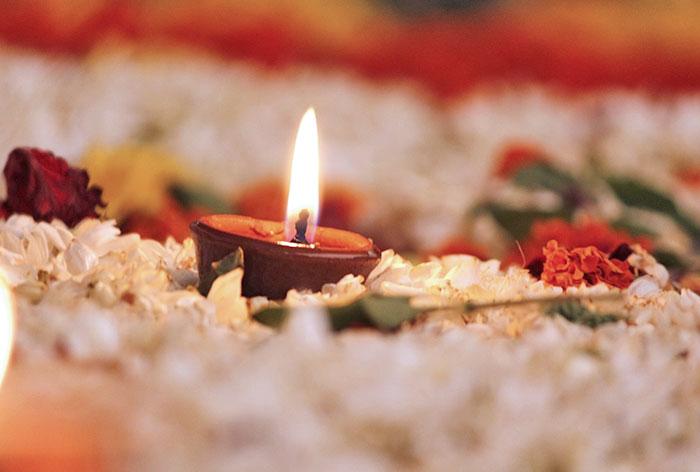
Photo: Pixabay
I Light Festival
In March, Marina Bay is once again the centre of attention as it is overtaken by the i Light festival. One of the city’s newest celebrations, having had its first outing in 2010, the festival celebrates sustainability. The festival showcases the work of more than 20 Singaporean and international light artists. Technicolour video projections appear on the outer skin of the lotus-like ArtScience Museum, while the event also includes the popular Art-Zoo of inflatable cartoon characters, talks, DJ sets at the ILLUMI neon-lit cocktail bar, and the Prudential Marina Bay Carnival, which adds a vintage twist to the celebrations with carousels and rides.
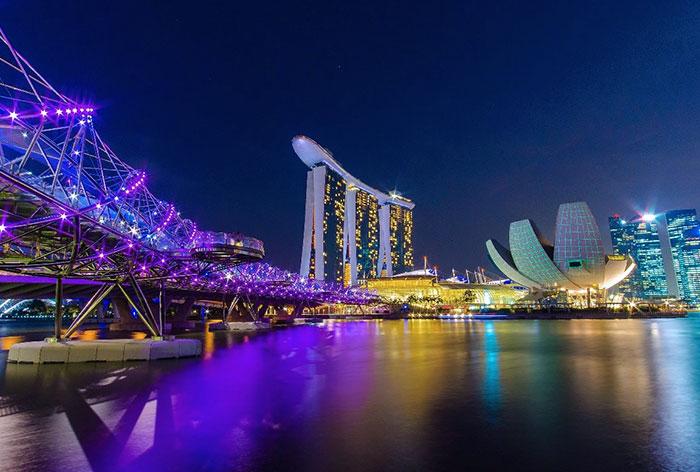
Photo: Pixabay
Mid-Autumn Festival
Mid-September see the city celebrate the Chinese Mid-Autumn Festival. It marks the traditional end of the autumn harvest, when the moon is also at its brightest. As a result, celebrations only truly begin with the going down of the sun. Best enjoyed from the surrounds of Chinatown, here you’ll find lanterns of intricate design and bright colours on display, and plenty of stalls selling seasonal mooncakes, traditionally filled with lotus seed paste and egg yolk, but with variations that also include those filled with chocolate and even truffles . A real community festival, the area’s parks and other open spaces are filled to brimming with locals, from small children walking around holding lanterns up proudly, their parents talking with friends, and older generations sitting admiring the scene while tucking into mooncakes and Chinese tea.
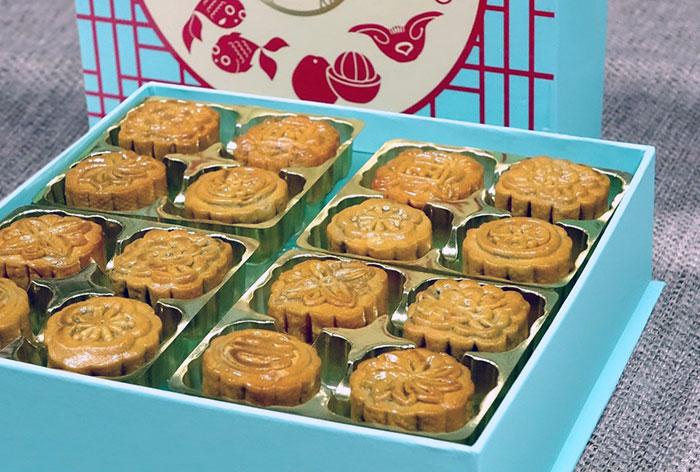
Photo: Pixabay
Vesak Day
Vesak Day, in May, is the most important day of the year for Singapore’s Buddhist community since it celebrates the birth, enlightenment and death of Buddha. Devotees gather at temples across the city from dawn. The burning of candles and josh sticks are a reminder of the shortness of life. They day is spent in good causes, prayer and the symbolic washing of statues before reaching its finale with candle-lit processions through the streets. One of the best takes place around Phor Kark See Temple on Bright Hill Road.
Christmas and Chinese New Year
As Christmas approaches each year Orchard Road is lit up with spectacular evening lighting displays, while Christmas menus appear in cafes and restaurants across the island. The New Year is celebrated in style with fireworks over Marina Bay, while Asia’s largest beach countdown takes place on Sentosa Island. Guests can party the night away to the quality sounds of both local and international DJs before and after the clocks strike midnight.
However no discussion of Singapore’s cultural festivities can end without mentioning the incredible celebrations that mark Chinese New Year in January/February of each year. The most important date in the Chinese calendar, Chinatown is lit up with sculpted lanterns around Eu Tong Sen Street and New Bridge Road each evening from January until mid-March.
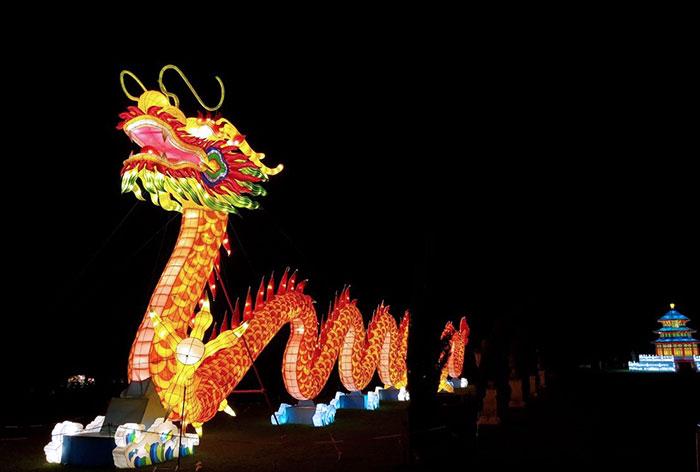
Photo: Pixabay
On the evening itself the heart of Chinatown will be awash with red, and filled to bursting with artists performing a mix of traditional festive songs and leading interactive games. The countdown begins around 9.30 pm and culminates as the clocks strike midnight with an explosion of firecrackers and a stunning fireworks display. The Hong Bao river festival, and Chingay parade, the largest street and float parade anywhere in Asia, are the climax of Singapore’s Lunar New Year celebrations.
Whatever time of year you visit Singapore, it’s possible to explore the island’s amazing heritage by taking part in one of the city’s many annual cultural festivities. From National Day to Thaipusam or New Year, you’re sure to see a new side to the city whether you’re a regular visitor, or it’s your first time visiting Singapore.