48 Hours in Chinatown: Culture, Food & Hidden Gems
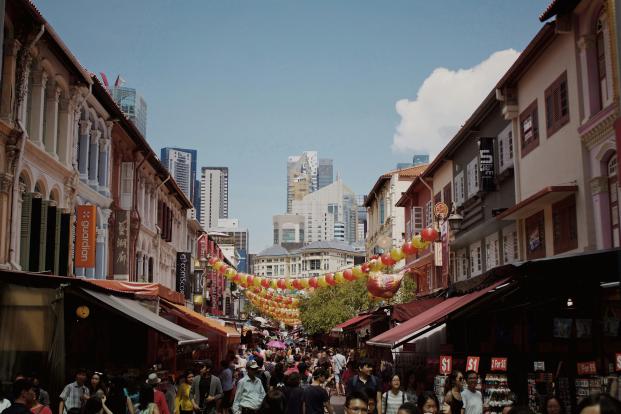
If you've only got a weekend in Singapore and you're craving culture, hawker food, and a side of hidden-gem charm, Chinatown is where you want to spend it. Tucked into the Outram area just minutes from the Central Business District, this compact heritage district packs centuries-old temples, mural-lined alleys, restored shophouses, and some of the country's most iconic hawker food into a few walkable blocks.
And the best part? You can do it all without ever needing a taxi. Here's a laid-back, leisure-traveller-friendly guide to spending 48 hours in Singapore's Chinatown — with Furama City Centre as your basecamp right in the heart of it all.
Why 48 hours in Chinatown?
Chinatown is one of the few places in Singapore where you can stroll between a Buddhist temple, a Hindu temple, and a mosque — all within ten minutes — and end the day eating Michelin-recognised noodles for under $10. For leisure travellers on a city break, it's the perfect mix of history, flavour, and easy walkability.
Here's what makes Chinatown ideal for a weekend stay:
- Easily accessible via Chinatown MRT (one stop from Clarke Quay)
- Packed with cultural landmarks, temples, and museums
- One of Singapore's top hawker districts
- Walkable, photogenic, and beginner-friendly
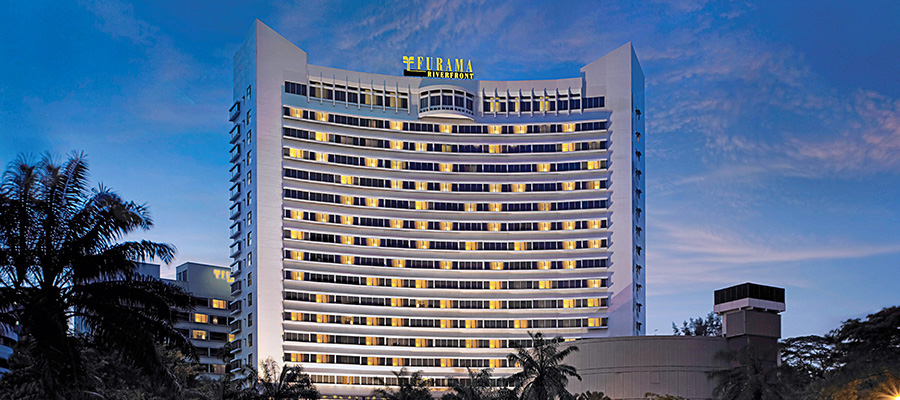
Furama City Centre — a 4-star hotel at 60 Eu Tong Sen Street — is the only hotel in Singapore with sheltered, walk-through mall access to a dual-line MRT station, putting every Chinatown landmark, the CBD, and Clarke Quay within a 10-minute walk or a single MRT stop.
Day 1: Temples, Hawkers & Heritage Streets
Morning — Temple Trail Walking Tour
Start your weekend with a self-guided walk to three of Chinatown's most iconic temples — all within a ten-minute stroll of Furama City Centre. Begin at the gold-domed Buddha Tooth Relic Temple & Museum on South Bridge Road, built in Tang Dynasty architectural style and home to a sacred Buddhist relic, a culture museum, and a peaceful rooftop orchid garden.
A few steps away sits Sri Mariamman Temple, Singapore's oldest Hindu temple (established in 1827), with its dazzling six-tiered gopuram tower covered in colourful sculptures of Hindu deities. Round off the trail at Thian Hock Keng Temple on Telok Ayer Street — one of the most architecturally significant Hokkien temples in Southeast Asia, originally built by Chinese seafarers as a thanksgiving for a safe voyage.
Did you know? All three temples are free to enter, quiet in the morning, and absolutely photogenic. Bring a shawl or scarf to cover your shoulders out of respect.
Lunch — Hawker Heaven at Maxwell Food Centre
A short walk from the temples brings you to Maxwell Food Centre, one of Singapore's most beloved hawker centres and arguably the best place in the country to try Tian Tian Hainanese Chicken Rice — once famously praised by the late Anthony Bourdain. Pair it with satay, fish soup, or a bowl of traditional dessert. It's casual, cheap, and deeply local.
Sit at a shared table, order the chicken rice, and watch three generations of a local family eat lunch at the next table over. It's the kind of meal that makes you realise you've stopped being a tourist and started just being in Singapore.
Did you know? Maxwell has been operating since the 1950s and is considered one of the pioneers of Singapore's UNESCO-recognised hawker culture.
Afternoon — Street Art & Shophouse Hunt on Ann Siang Hill
After lunch, lose yourself in the lanes of Ann Siang Hill, Club Street, and Amoy Street. This preserved enclave — once owned by 19th-century merchant Chia Ann Siang — is dotted with restored Peranakan shophouses, indie boutiques, specialty coffee bars, and the celebrated heritage murals of local artist Yip Yew Chong on Smith Street, Mohamed Ali Lane, and Telok Ayer.
Highlights include:
- Yip Yew Chong's nostalgic murals of old Chinatown life
- Boutique shops and Singaporean designer ateliers
- Specialty coffee houses and tea rooms tucked into shophouses
- Rooftop bars on Ann Siang Hill with views over the conserved district
The pace of Ann Siang Hill in the afternoon is different from the rest of Chinatown — slower, quieter, more considered. If you're only going to sit down for one coffee during your 48 hours, make it here, in one of the shophouse cafés where the ceilings are low and the espresso is serious.
Evening — Sunset at Clarke Quay & the Singapore River
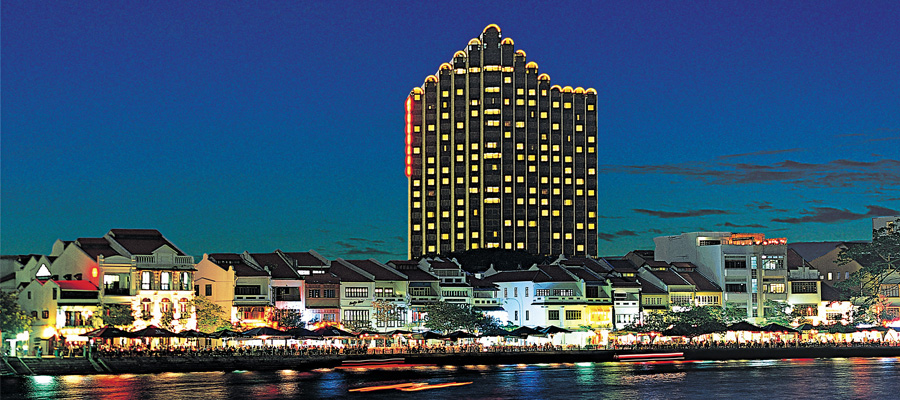
As the sun dips, take an easy 12-minute walk (or one MRT stop) to Clarke Quay for riverside dining and a stroll along the Singapore River. Hop on a traditional bumboat ride for a different angle on the city skyline, then follow the river to the lively Boat Quay strip for cocktails and people-watching. Head back to Furama City Centre for the night — it's only a few minutes' walk along the river.
Day 2: Heritage, Markets & Food Trails
Morning — Chinatown Heritage Centre & Pagoda Street
Kick off Day 2 at the Chinatown Heritage Centre on Pagoda Street, a beautifully restored shophouse museum that recreates the cramped living quarters and intimate stories of Singapore's early Chinese immigrants. It's easily one of the most moving cultural experiences in the city.
Did you know? In early Chinatown, as many as 10–20 people shared a single cramped shophouse room.
Step outside afterwards and you're right on Pagoda Street — a pedestrian street market stretching across Pagoda, Smith, Temple, and Trengganu Streets. It's the place to grab souvenirs, calligraphy scrolls, tea sets, and traditional snacks. Bargaining is welcome at selected stalls.
Lunch — Hawker Chan & the Chinatown Complex Food Centre
For lunch, head to Chinatown Complex Food Centre — one of Singapore's largest hawker centres, with over 260 stalls. The headline draw is Hawker Chan, once known as the world's cheapest Michelin-starred meal for its soya sauce chicken rice. Don't stop there: graze your way through char kway teow, roast duck rice, oyster omelette, and Hokkien mee.
Afternoon — Hidden Gems on Duxton Hill & Keong Saik Road
Wander into Duxton Hill and Keong Saik Road for a stylish, contemporary slice of Chinatown. Beautifully restored shophouses now house boutique hotels, independent bookstores, art galleries, and trendy cafes. It's the quieter, more design-forward side of the district — perfect for a slow afternoon.
Did you know? Ann Siang Hill was once used as a burial ground before redevelopment in the 19th century.
Evening — Rooftop Skyline Views from Your Hotel
Wrap up your 48 hours back at Furama City Centre. Higher-floor rooms offer panoramic views stretching from Chinatown's conserved shophouse rooftops all the way to Marina Bay on a clear evening — the perfect goodbye to a weekend well spent.
Suggested 48-Hour Itinerary
Short on time? Here's a tight version you can follow as-is.
DAY 1
- 9:00 AM – Breakfast at Tiffany Café & Restaurant inside Furama City Centre
- 10:00 AM – Temple Trail: Buddha Tooth Relic Temple → Sri Mariamman Temple → Thian Hock Keng Temple
- 12:30 PM – Lunch at Maxwell Food Centre (Tian Tian Chicken Rice)
- 2:00 PM – Street art and shophouse walk along Smith Street, Ann Siang Hill, and Amoy Street
- 5:30 PM – Sunset stroll to Clarke Quay & bumboat ride
- 7:30 PM – Riverside dinner at Boat Quay
DAY 2
- 9:30 AM – Chinatown Heritage Centre on Pagoda Street
- 11:00 AM – Souvenir shopping along Pagoda, Smith & Temple Streets
- 12:30 PM – Hawker lunch at Chinatown Complex Food Centre (Hawker Chan)
- 2:30 PM – Coffee, boutiques, and galleries on Duxton Hill & Keong Saik Road
- 5:00 PM – Cocktails on an Ann Siang Hill rooftop
- 7:30 PM – Skyline-view dinner back at the hotel
Where to Stay: Why Furama City Centre is Your Perfect Base
When you're trying to soak up a heritage district like Chinatown, location is everything — and Furama City Centre delivers it in spades. Strategically positioned on Eu Tong Sen Street at the edge of Chinatown and connected to Chinatown Point mall, the hotel puts every temple, hawker centre, mural-lined laneway, and MRT station within a comfortable ten-minute walk.
For leisure travellers looking for an affordable 4-star city stay, it hits the sweet spot: freshly renovated, clean rooms; an iconic curved façade with sweeping skyline views from higher floors; and the in-house Tiffany Café & Restaurant for a relaxed buffet breakfast before you head out.
Why it works for leisure travellers:
- Walkable to Chinatown MRT, Buddha Tooth Relic Temple, Maxwell, Pagoda Street, and Clarke Quay
- Connected to Chinatown Point mall via sheltered walkways — perfect for rainy days
- Affordable city-stay pricing that frees up your budget for food trails and experiences
- Higher-floor rooms with views from Chinatown rooftops to Marina Bay
- Easy taxi or MRT access to Sentosa, Marina Bay Sands, Gardens by the Bay, and Orchard Road for day trips
Did you know? Because of its height and central location, some Furama City Centre rooms offer panoramic views that stretch from Chinatown all the way toward Marina Bay on clear days.
Frequently Asked Questions
Is Furama City Centre walking distance to Chinatown MRT? Furama City Centre is a 3-minute walk from Chinatown MRT station (NE4 / DT19), with sheltered access through Chinatown Point mall — so guests can reach the train without stepping outside in the rain. From Chinatown MRT, Clarke Quay is one stop and Raffles Place is under 5 minutes away.
How much does it cost to stay at Furama City Centre? Furama City Centre sits in the affordable 4-star midscale bracket — genuine value in a city where weekend hotel rates in the tourist belt can easily exceed $300–$400 per night. Book direct for the best available rate and check for seasonal promotions.
What is there to do in Chinatown Singapore in 2 days? A two-day Chinatown itinerary typically covers three iconic temples (Buddha Tooth Relic, Sri Mariamman, Thian Hock Keng), hawker meals at Maxwell and Chinatown Complex Food Centre, Yip Yew Chong's heritage murals on Smith Street and Ann Siang Hill, the Chinatown Heritage Centre on Pagoda Street, and sunset along the Singapore River at Clarke Quay.
What's the best hawker centre closest to the hotel? Maxwell Food Centre and Chinatown Complex Food Centre are the two most renowned hawker centres in Chinatown Singapore. Maxwell is home to Tian Tian Hainanese Chicken Rice, made famous by Anthony Bourdain, while Chinatown Complex hosts Hawker Chan — once recognised as the world's cheapest Michelin-starred meal. Both are within an 8-minute walk of Furama City Centre.
What is the oldest Hindu temple in Singapore? Sri Mariamman Temple, located on South Bridge Road in Chinatown, is Singapore's oldest Hindu temple, established in 1827. Its dazzling six-tiered gopuram tower is covered in colourful sculptures of Hindu deities and is one of the most photographed religious landmarks in the country. Entry is free, and it is a 7-minute walk from Furama City Centre.
Is Furama City Centre a good base for a weekend in Chinatown? Furama City Centre is one of the best 4-star bases for a weekend in Chinatown Singapore. The three major temples, Maxwell and Chinatown Complex hawker centres, Pagoda Street heritage market, Yip Yew Chong's murals, and Clarke Quay are all within a 10-minute walk, so guests can explore the district on foot without taxis or extended MRT rides.
Is Chinatown Singapore worth visiting? Chinatown Singapore is one of the city's most rewarding cultural districts to visit. Within a few walkable blocks, travellers can see centuries-old temples from three religions, eat Michelin-recognised hawker food for under $10, browse restored shophouses on Ann Siang Hill and Duxton Hill, and walk to the Singapore River — all in a single afternoon.
How does Chinatown Singapore compare to other heritage districts in Southeast Asia? Singapore's Chinatown is unique among Southeast Asian heritage districts for its density of religious diversity — a Buddhist temple, Hindu temple, and mosque all within a 10-minute walk — combined with UNESCO-recognised hawker culture and a preserved shophouse streetscape that has been carefully maintained since the 1980s. Unlike Georgetown in Penang or Bangkok's Chinatown (Yaowarat), Singapore's Chinatown is fully integrated with the city's MRT network, making it one of the most accessible heritage districts in the region.
What makes Furama City Centre different from other 4-star hotels in Singapore? Furama City Centre combines a central Chinatown location, freshly renovated rooms, and a competitive midscale pricing — offering CBD-level access at a midscale price. Compared with Marina Bay hotels that often exceed $400 per night, it provides comparable walkability to attractions while freeing budget for food, culture, and experiences.
Final Thoughts
Singapore's Chinatown is where history, religion, food, and street art come together in one walkable, weekend-sized package. From the gilded calm of the Buddha Tooth Relic Temple to the smoky woks of Maxwell, from Yip Yew Chong's heritage murals to skyline views from your hotel room, 48 hours here delivers one of the most complete leisure experiences Singapore has to offer.
Whether you're a culture-curious solo traveller, a couple on a city break, or a returning visitor wanting to slow down and rediscover the heart of old Singapore, Chinatown rewards you for taking it slow.
Ready to Explore Chinatown like a Local?
Chinatown rewards travellers who take it slow — and there's no better way to do that than from a hotel right in the middle of the action. Skip the long taxi queues, the early-morning MRT hustle, and the inflated rates of the tourist belt.
Weekend rooms — especially the higher-floor skyline-view ones — fill up fast. Book direct at Furama City Centre for the best available rate and lock yours in before someone else does.
Your temples, your hawker stalls, your shophouse strolls, your sunset by the river — all just steps from your door.
Book your Chinatown Weekend! Pack light, walk slow, eat everything.